

WHat is Cultural Fit?
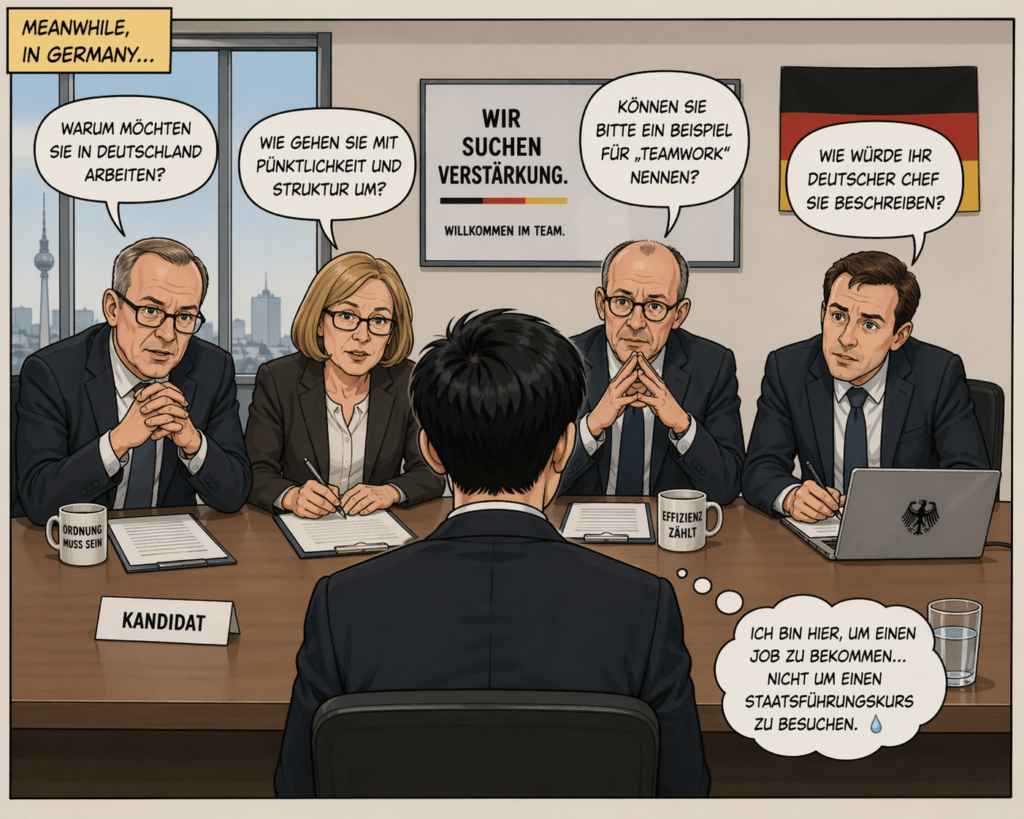
I’ve been rejected multiple times at the final stage of interviews under the label of “cultural fit.”
Each company used different language:
- “We’re looking for someone more senior.”
- “We chose another candidate who fits better.”
- “Your answers were too generic.”
- “We’re not sure about alignment.”
- Even feedback like: “You said we instead of I.”
After hearing enough versions of the same vague theme, I started asking a serious question:
Is cultural fit a useful hiring signal, or a dangerous excuse?
Why “Cultural Fit” Can Be Problematic
1. It is often undefined
Many companies cannot clearly explain what cultural fit actually means.
Is it communication style? Values? Personality? Confidence? Similar hobbies? Speaking style?
If interviewers themselves cannot define it, candidates are judged by moving targets.
2. It invites bias
When criteria are unclear, people naturally default to comfort and familiarity.
That can mean preferring people who:
- look similar
- speak similarly
- share background or humor
- feel socially familiar
- mirror the team
This may happen unconsciously, but the effect is real.
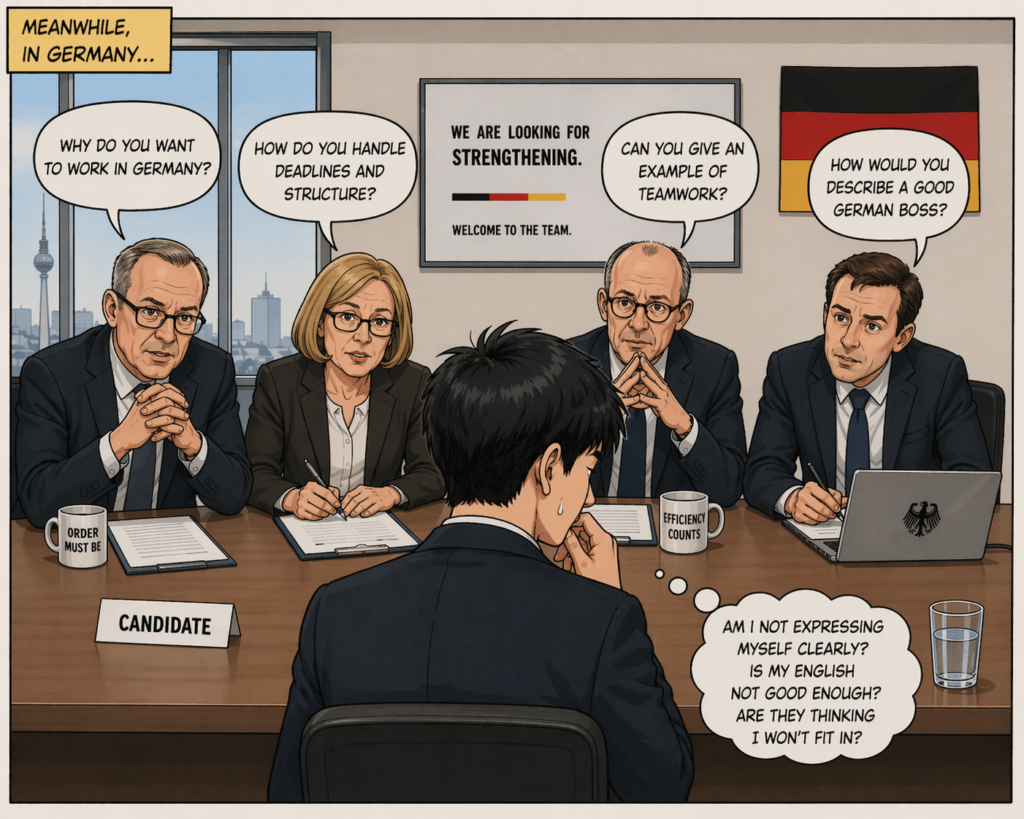
3. It punishes different communication styles
Some candidates are thoughtful, calm, collaborative, or humble.
Others are louder, more polished, more self-promotional.
If a company rewards only one style, they may reject strong performers who simply communicate differently.
For example, criticizing someone for saying “we” instead of “I” may ignore that some people naturally value teamwork and shared ownership.
4. It hides weak decision-making
“Cultural fit” can become a safe phrase when interviewers cannot clearly justify a rejection.
Instead of saying:
- another candidate had stronger leadership examples
- your stakeholder management examples were weaker
- we had concerns about prioritization
They say:
Not the right fit.
That helps the company, but teaches the candidate nothing.
Why This Hurts Companies Too
Overusing cultural fit can lead to:
- hiring clones instead of diverse thinkers
- missing capable talent
- reinforcing bias
- weak interview discipline
- poor candidate experience
- false confidence in hiring choices
Teams need challenge, variety, and complementary strengths, not just similarity.
What Companies Should Use Instead
Replace “cultural fit” with measurable signals:
- communication clarity
- ownership examples
- collaboration behavior
- conflict handling
- learning ability
- judgment under pressure
- values alignment with specific examples
These can be discussed openly and scored consistently.
Final Thought
Culture matters.
But “cultural fit” without structure becomes opinion disguised as professionalism.
Companies should hire for values alignment and contribution, not vague comfort.
Because when hiring becomes subjective, good candidates lose, and companies often lose too.